
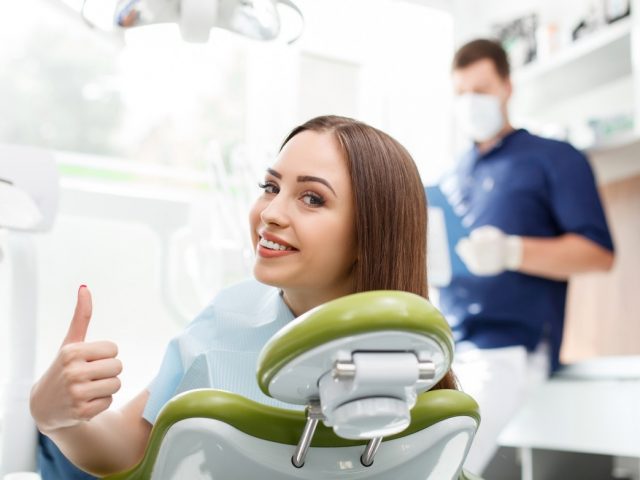
Sensitive teeth can really put a damper on getting a brighter smile through whitening. People want that sparkling shine, but the pain often makes them think twice. Good news—there are ways to ease the pain without giving up your dream smile. Learning these tricks lets you enjoy a beautiful glow without the annoying ache. If hiding your smile or avoiding whitening because of pain sounds familiar, keep reading—you’ll discover how to get that bold, candy-bright smile you’ve been wanting.
Understanding Sensitive Teeth
Before diving into teeth whitening tips, it’s essential to understand why some individuals experience sensitivity. Tooth sensitivity often occurs when the protective layer of enamel wears down, exposing the underlying dentin. This dentin contains microscopic tubules that lead to the tooth’s nerve center, making it more susceptible to sensations like temperature changes and acidic substances.
Causes of Sensitivity During Whitening
Teeth whitening products, particularly those containing bleaching agents like hydrogen peroxide, can exacerbate tooth sensitivity. These agents penetrate the enamel to break apart stains, but they can also reach the dentin, triggering discomfort in individuals with sensitive teeth. Additionally, improper application or overuse of whitening products can further irritate the teeth and gums. To learn more about teeth whitening, there are a ton of interesting articles at Bragging Mommy.
Tips for Minimizing Discomfort
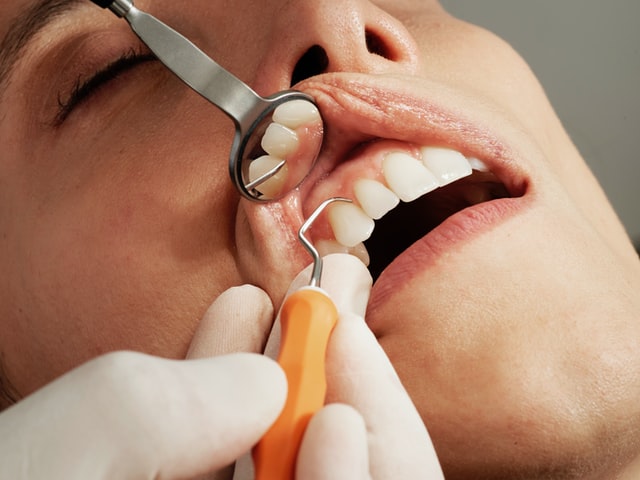
- Consultation with a Dentist: Before beginning any whitening regimen, it’s crucial to consult with a dentist. They can assess your dental health and recommend the most suitable whitening method, taking into account any existing sensitivity issues.
- Choose Gentle Whitening Products: Opt for whitening products specifically formulated for sensitive teeth. These products often contain lower concentrations of bleaching agents or alternative whitening ingredients that are less likely to cause sensitivity.
- Gradual Whitening Approach: Instead of opting for intense whitening treatments that promise rapid results, consider a more gradual approach. Using milder whitening products over an extended period can minimize discomfort while still achieving noticeable improvements in tooth color.
- Limit Whitening Frequency: Avoid overusing whitening products, as this can weaken the enamel and exacerbate sensitivity. Follow the recommended usage guidelines provided by the manufacturer or your dentist, and allow your teeth time to recover between whitening sessions.
- Use Desensitizing Toothpaste: Incorporate desensitizing toothpaste into your oral hygiene routine. These toothpastes contain ingredients like potassium nitrate or stannous fluoride, which help block the transmission of nerve signals and alleviate sensitivity over time.
- Protective Measures: During the whitening process, take steps to protect your gums and other sensitive oral tissues. Use a barrier like petroleum jelly or a specialized dental dam to shield these areas from direct contact with the whitening agent.
- Avoid Trigger Foods and Beverages: Acidic and sugary foods can worsen tooth sensitivity, so try to minimize consumption during the whitening process. Opt for a diet rich in tooth-friendly foods like dairy products, fruits, and vegetables to support overall dental health.
- Maintain Good Oral Hygiene: Regular brushing, flossing, and dental check-ups are essential for maintaining oral health, especially during teeth whitening. Proper oral hygiene can help prevent complications and reduce sensitivity associated with whitening treatments.
Conclusion
Achieving a brighter, whiter smile doesn’t have to come at the cost of discomfort. By following these tips and adopting a mindful approach to teeth whitening, individuals with sensitive teeth can minimize discomfort and enjoy the transformative benefits of a radiant smile.
Remember, dental health should always be a priority, so consult with a dentist before embarking on any whitening journey. With the right guidance and products tailored to your needs, you can achieve the smile of your dreams while safeguarding your oral health.